Emergency Diesel Generators: Cold Starts
Loss prevention advice for routine testing
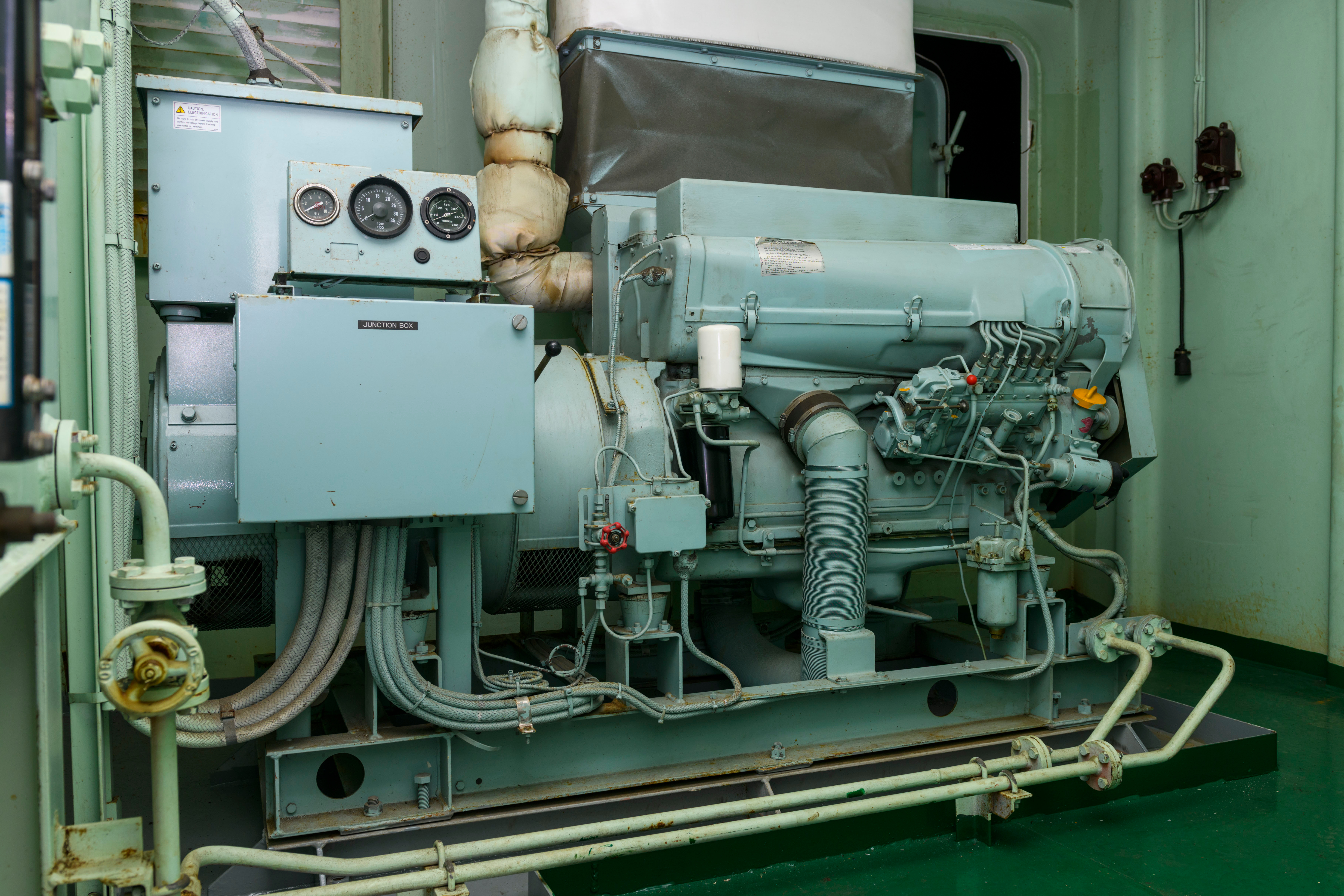
Emergency diesel generators (EDGs) are a vital source of power for essential safety systems. Because they operate infrequently, low running hours and completion of routine tests can provide reassurance that the generator is in good condition. However, these indicators do not always tell the whole story. Regular testing is essential for ensuring readiness, but the way testing is carried out matters and needs to support the long-term reliability of the equipment. Repeated cold starts followed by short test runs can expose an EDG to a different pattern of wear than an engine in regular service.
If the engine is repeatedly started from cold and shut down before reaching normal operating temperatures and pressures, lubrication may be less effective, moisture can accumulate, and components may be subjected to unnecessary stress. Long periods at rest also mean that the protective oil film on some internal surfaces may gradually diminish. A low-hour engine may have experienced many start-up cycles despite relatively little running time.
Key considerations
-
Follow the maker’s instructions:
Testing, operation and maintenance should reflect the manufacturer’s recommendations and the vessel’s planned maintenance system.
-
Look beyond running hours:
Low running hours do not necessarily mean low wear. Long periods of inactivity can introduce different risks than those experienced by machinery in regular service.
-
Review the test procedure:
Consider whether routine tests verify operation under load and allow sufficient time for the engine to reach normal operating temperatures and pressures.
-
Protect the engine before starting:
Use pre-lubrication and heating arrangements as recommended. Check that the EDG space and any approved engine-heating systems are suitably prepared for cold or winter conditions.
-
Pay attention to oil condition and record keeping:
Monitor oil condition, including viscosity and possible fuel or moisture contamination. Document test results, defects and corrective actions.
Think beyond compliance
When reviewing testing arrangements, look beyond the question:
“Have we completed the routine test?”
and instead ask:
“Is our testing regime actually supporting reliability and readiness?”
The objective is not simply to pass routine inspections, but to ensure that the EDG will start, accept load and perform its safety function when called upon in an emergency.